
Credit Card Counselling
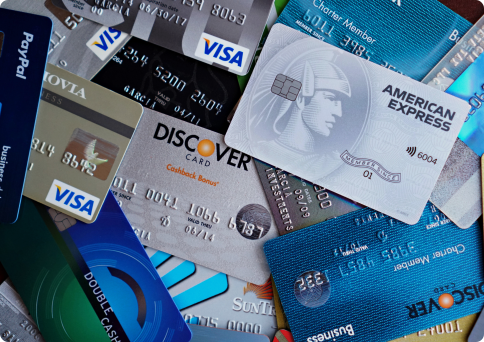
Credit cards have become a familiar feature of our modern lifestyle and it is difficult to imagine our modern economy functioning without them. Credit cards and store cards are no doubt very important for consumers as well as retailers as using checks or carrying cash is time consuming compared to retail-oriented electronic payment technology. One of the reasons for the fast increase of this phenomenon is that people think that carrying “plastic money” is easier than having cash or a All your credit card loans into a single loan
Get Your Free Consultation


What is Credit Card Counselling?

Is Credit Card Debt Weighing You Down?

What Are My Options To Pay Off Credit Card Debt?
How much could YOU save?
Compare your options and find the best path to becoming debt-free. Each solution is designed for different financial situations.
$282
Est. savings$35/mo
New payment16 mo
Program lengthGet Started Today

Free, No-Obligation Consultation
No pressure, just honest answers
Certified Debt Consultant
IAPDA-certified professionals
Personalized Assessment
Custom plan for your situation
Complete Confidentiality
Your privacy is protected






